Navigating the Complexities of International Taxation: A Comprehensive Insight
Introduction
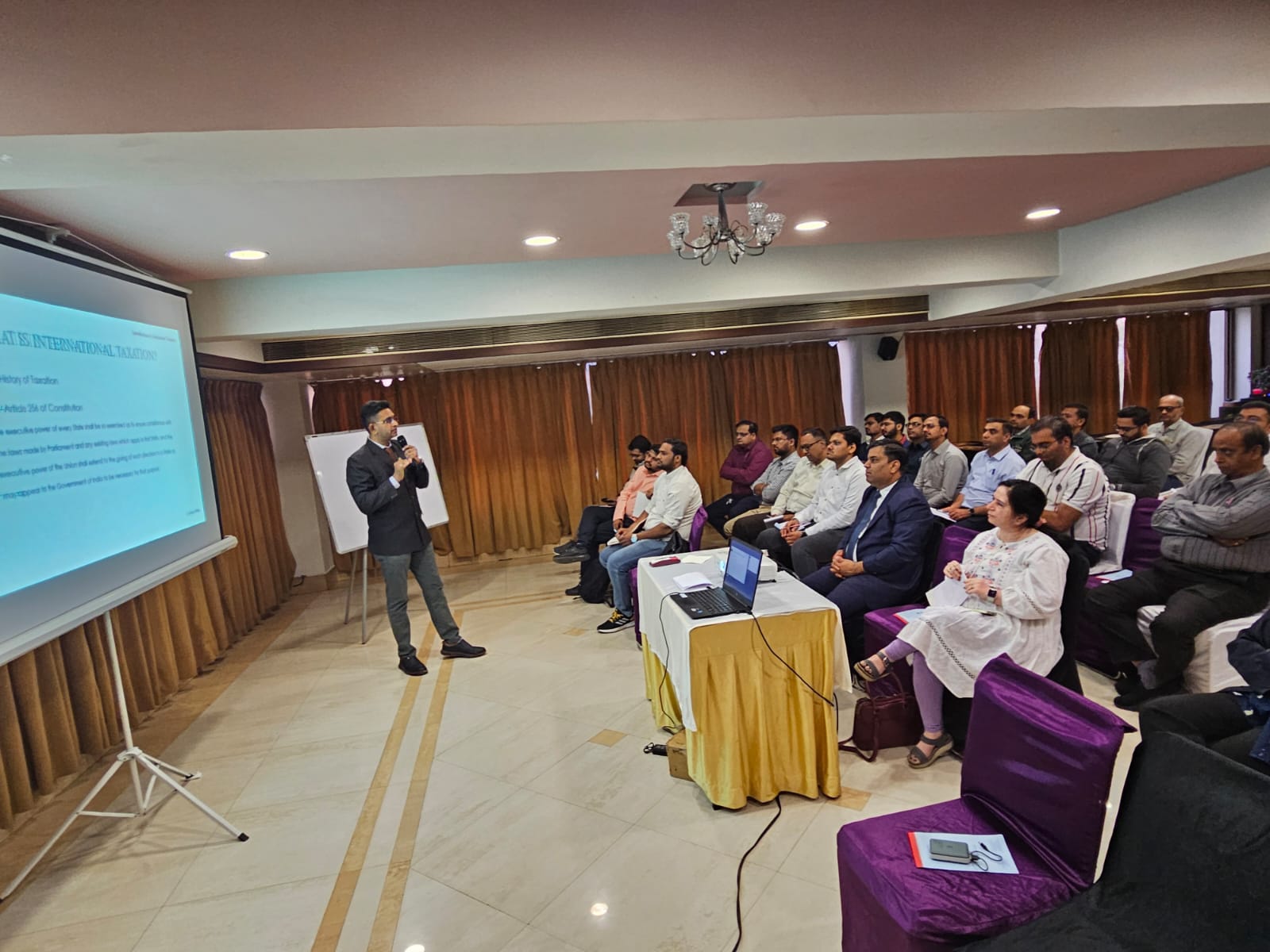
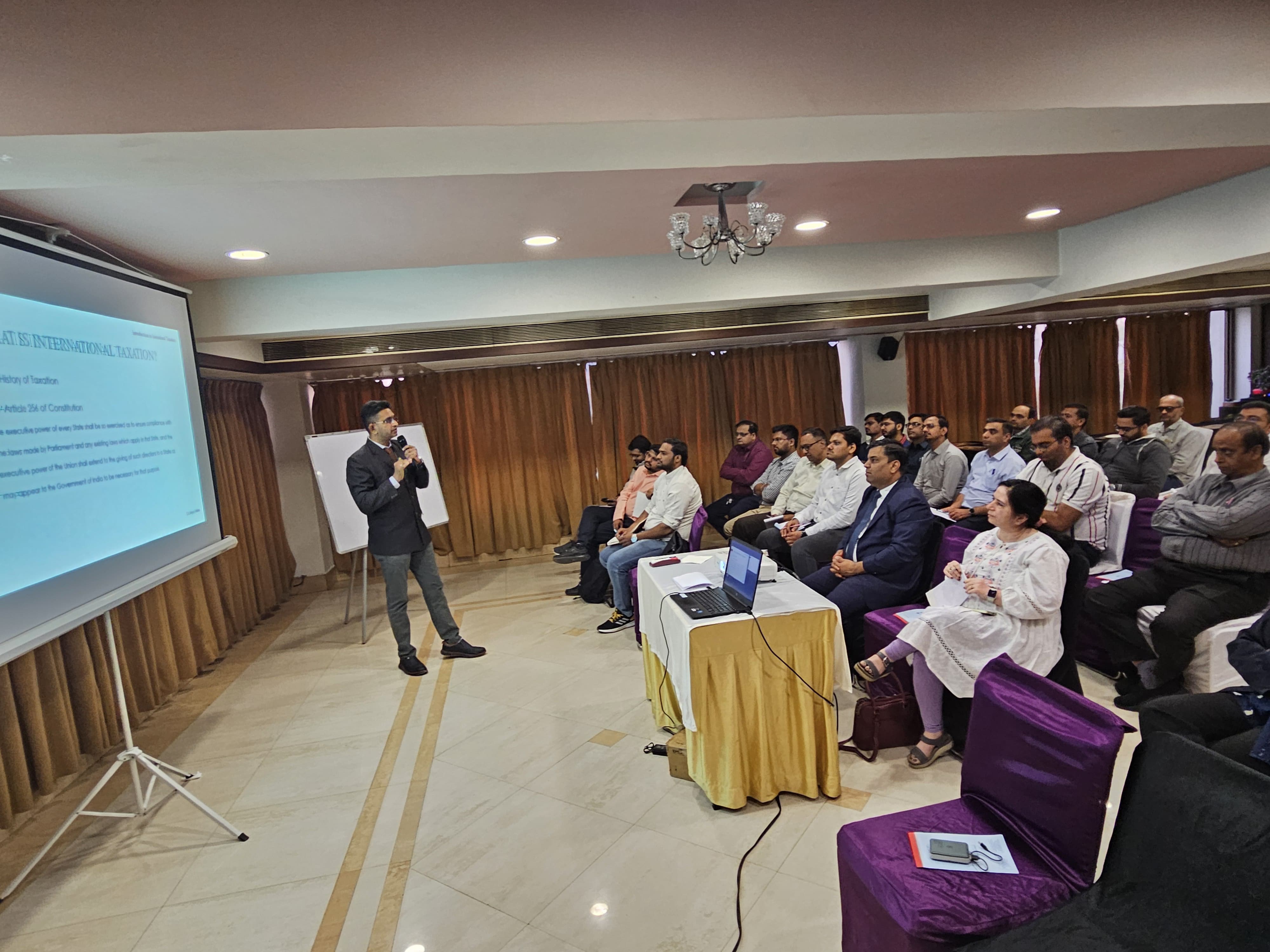
As a Chartered Accountant who is deeply passionate about international tax law, I recently had the privilege of delivering a presentation that unravelled the intricate world of international taxation. The session was designed to demystify the complex landscape of cross-border taxation, offering insights into the challenges and mechanisms that shape global financial interactions.
The Multifaceted Landscape of International Taxation
Understanding International Tax Conflicts
International taxation is far from straightforward. When businesses and individuals operate across borders, they encounter a labyrinth of tax regulations that can be both challenging and intimidating. The presentation began by exploring the fundamental conflicts that arise when different countries’ tax systems intersect:
- Jurisdictional Challenges: Each country has its own tax laws, creating potential overlaps and gaps in taxation.
- Varying Tax Rates: Significant differences in corporate and personal tax rates across nations can lead to complex tax planning scenarios.
- Compliance Complexities: Navigating multiple tax systems requires extensive knowledge and meticulous attention to detail.
The Double Taxation Dilemma
One of the most critical issues in international taxation is the threat of double taxation. This occurs when the same income is taxed by two or more countries, potentially creating an enormous financial burden for businesses and individuals.
- Juridical Double Taxation: Where the same income is taxed in hands of one person in both the source and residence countries.
- Economic Double Taxation: Where an income is taxed in hands of two persons due to transfer pricing issues.
Double Taxation Treaties: A Lifeline for Global Taxpayers
The presentation highlighted the critical role of double taxation treaties in mitigating tax challenges:
- Purpose: These bilateral agreements aim to eliminate double taxation and prevent tax evasion.
- Key Mechanisms:
- Allocation of taxing rights between countries
- Reduction or elimination of withholding taxes
- Provisions for tax credit and exemption methods
- Dispute resolution mechanisms
The Dark Side of International Taxation
Tax Havens: Opportunity or Ethical Challenge?
We delved into the controversial world of tax havens, examining their:
- Characteristics: Low or zero tax rates, minimal reporting requirements
- Attractions: Tax optimization, financial privacy
- Ethical Considerations: Potential for tax avoidance and economic inequity
Base Erosion and Profit Shifting (BEPS)
A significant portion of the presentation focused on BEPS, a critical global tax challenge:
- Definition: Strategies used by multinational enterprises to exploit gaps in tax rules
- OECD's BEPS Project: Global efforts to combat aggressive tax planning
- Key Focus Areas:
- Digital economy taxation
- Transfer pricing regulations
- Transparency and information exchange
Personal Learning Journey
As a Chartered Accountant, this presentation was more than just a professional obligation—it was a transformative learning experience. Each slide, each explanation unveiled the incredible complexity of international tax systems. The preparation required deep research, critical analysis, and the ability to simplify complex concepts.
Audience Experience and Outcomes
The response was overwhelmingly positive. Participants, ranging from young professionals to seasoned business leaders, shared their key takeaways:
- Enhanced understanding of global tax mechanisms
- Practical insights into navigating international tax challenges
- Appreciation for the ethical dimensions of taxation
- Increased awareness of recent global tax developments
Conclusion
International taxation is not just about numbers—it's about understanding global economic interactions, respecting different jurisdictional frameworks, and maintaining ethical standards. Our journey through this complex landscape demonstrates that continuous learning and adaptability are crucial in this dynamic field.
Disclaimer: This blog represents personal insights and should not be considered professional tax advice. Always consult with a qualified tax professional for specific guidance.
About the Author: A passionate Chartered Accountant with a keen interest in international tax law and global economic systems.